
HVAC Guide · Cluster F
HOA Rules and Condenser Placement in Poway's Planned Communities
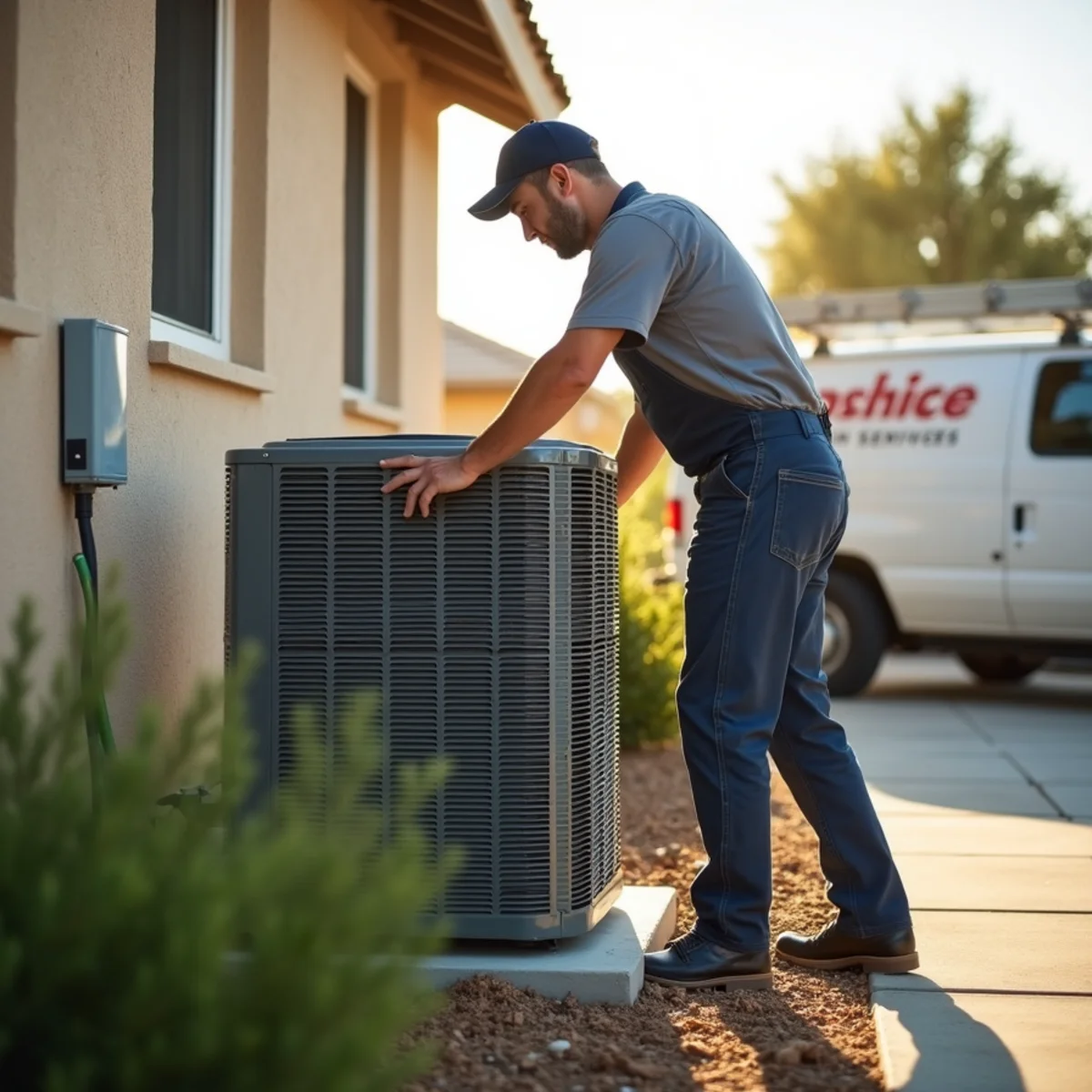
Your HOA Has a Say in Your New AC
In a Poway planned community, the load calculation is not the only thing that decides where your condenser goes. The homeowners association does too. Communities like Carmel Mountain Ranch and the many gated and covenant-governed developments across the area carry rules on where outdoor equipment can sit, how loud it can be, and how it must be hidden from view. Ignore them and you can install a perfectly good system, then be ordered to move it.
This catches homeowners off guard because the HVAC and the HOA feel like separate worlds. They are not. A condenser is exterior equipment, and in most planned communities anything visible from the street or a neighbor's yard falls under architectural rules. The time to learn those rules is before the equipment is ordered, not after it is bolted to a pad.
The good news is that these rules are predictable once you know what to look for. A little homework up front turns a potential violation into a clean, approved installation that satisfies the HOA and cools the house.
Read the CC&Rs Before You Pick a Spot
Start with your community's governing documents, the CC&Rs and any architectural guidelines. They typically cover four things for HVAC: where exterior equipment may be located, how it must be screened, noise limits, and whether you need architectural committee approval before work begins. Most also require a permit application to the HOA, separate from the city building permit.
Location rules usually push condensers to side yards or rear yards, out of sight from the street. Some communities prohibit them in certain setbacks or near shared walls. Screening rules may require a wall, a fence panel, or landscaping to hide the unit. Noise limits, often tied to property lines, matter more than people expect, because a condenser placed near a bedroom window or a neighbor's patio can violate a decibel clause even when everything else is compliant.
Read all of it before choosing a spot. If the documents are unclear, ask the HOA in writing and keep the reply. Getting the answer on paper protects you if a board member changes their mind later.
Condenser Placement That Satisfies the HOA and the House
Good placement serves two masters at once: the HOA's aesthetics and the equipment's need to breathe. A condenser rejects heat, and it cannot do that crammed into a tight, unventilated alcove. It needs clearance on all sides and open space above so hot air escapes instead of recirculating. A unit boxed in for looks will run hot, lose efficiency, and wear out its compressor early, especially in Poway's dry summer heat.
Screening and airflow can coexist if you plan for it. Slatted screens and open-bottom enclosures hide the unit while still letting air move. Landscaping should be kept back far enough that mature growth does not choke the coil. Avoid placing the condenser in a hot, sun-trapped corner against a south or west wall if a shadier, equally compliant spot exists, because shade lowers head pressure and saves energy against SDG&E's high rates.
Noise placement matters for both neighbors and approval. Keep the unit away from bedroom windows and shared property lines where possible, and choose equipment rated for lower sound levels in tight communities. A quieter, well-sited unit is far less likely to draw a complaint that puts your installation back in front of the board.
The Approval Process, Step by Step
Once you have a compliant plan, the paperwork is straightforward if you do it in order. First, submit the architectural application to the HOA with the proposed location, the equipment specs including sound rating, and any screening details. Boards often meet monthly, so build that timeline into your project, especially if you are replacing a dead system and need to move quickly.
Get written HOA approval before installation begins. Then pull the city building permit, which Poway requires for AC and furnace replacements. A legitimate contractor handles the city permitting and inspection as part of a proper, written, line-item quote, and can supply the equipment cut sheets the HOA wants to see. Doing the city permit and the HOA approval in parallel, not skipping either, keeps you clean on both fronts.
Keep every document, the approval, the permit, and the final inspection sign-off. If you ever sell, or if a future board questions the installation, that file ends the conversation before it starts.
What Happens When You Skip the Rules
Skipping HOA approval is a gamble that tends to end badly. The board can require you to relocate a non-compliant condenser at your own cost, add screening after the fact, or replace a unit that violates a noise clause. A neighbor complaint about noise or appearance can trigger enforcement months after the install, long after you thought the project was finished. None of that is cheap, and all of it is avoidable.
There is a permitting risk too. An unpermitted AC or furnace replacement can surface during a home sale inspection and stall or complicate the transaction. Between the HOA and the city, the shortcuts that save a week up front routinely cost far more later. The written, permitted, approved path is the cheap one over the life of the home.
HVAC Poway CA installs across Poway's planned communities every season, so we know how to site a condenser that satisfies both the airflow the equipment needs and the rules the HOA enforces. We are licensed, insured, and based at 12155 Flint Pl, and we handle city permitting as part of the job. If you want a placement plan that will clear your HOA the first time, call +1 (327) 210-5999.
The rule areas to clear before a new condenser goes in
| CC&R rule area | Typical requirement | How to clear it |
|---|---|---|
| Location | Side or rear yard, out of street view | Pick a compliant spot that still has room to breathe |
| Screening | Wall, fence panel, or landscaping to hide the unit | Use slatted or open-bottom screens that pass air |
| Noise | Decibel limit near property lines and windows | Site it away from bedrooms and pick a low-sound unit |
| Architectural approval | Application before any work begins | Submit specs and sound rating; get approval in writing |
| City permit | Poway permit for AC and furnace swaps | Contractor pulls it, run in parallel with the HOA |
| Records | Proof for the board and a future sale | Keep the approval, permit, and inspection sign-off |
Have an HVAC problem in Poway?
Same-day service in Poway & Sabre Springs — 24/7 emergency dispatch countywide.
Frequently asked questions
Yes. In most planned communities, outdoor equipment falls under architectural rules covering location, screening, and noise. If you install without approval and the unit violates those rules, the board can require you to relocate it, add screening, or replace it, all at your own cost.