
HVAC Guide · Cluster A
What Counts as an HVAC Emergency in Poway, CA?
The Quick Answer
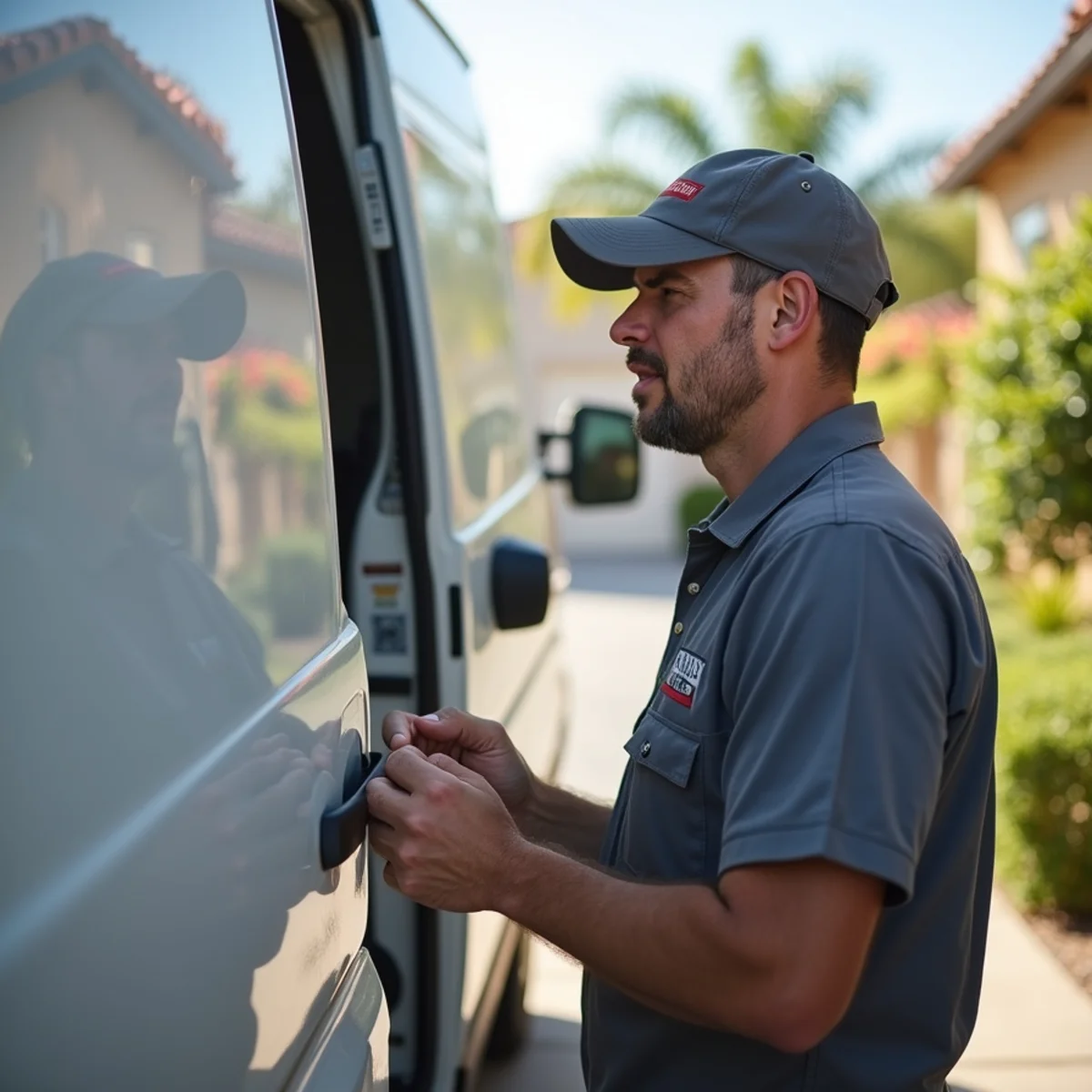
An HVAC problem is an emergency when it threatens someone's safety, when it puts the house at risk, or when losing heating or cooling is genuinely dangerous for the people inside given the weather. Everything else, while annoying, can usually wait for a same-day or next-day scheduled visit.
That framing matters in Poway because our weather swings hard. A dead AC is a minor inconvenience on a mild 70-degree June morning and a real emergency on a 100-plus Santa Ana afternoon with an infant in the house. The same failure, a different level of urgency, depending on the day and who is home.
Below we sort the common calls into true emergencies, urgent-but-not-tonight, and can-wait, so you can decide with confidence. When in doubt, call and describe it; we will tell you honestly whether it needs immediate attention.
Call Immediately: Safety Emergencies
Some situations are never a wait-and-see. If you smell gas, a rotten-egg odor near the furnace or anywhere in the house, leave immediately, do not touch switches, and call SDG&E and 911 from outside. If a carbon monoxide alarm sounds, everyone goes outside into fresh air and you call 911.
A burning, hot-plastic, or electrical smell from the vents or equipment, visible smoke or sparking, or a scorched panel means you shut the system off at the breaker or disconnect, leave it off, and call for service. Do not run it to keep comfortable.
A breaker that trips again the moment you reset it is also in this category. Repeated tripping means a component is faulting, and resetting it over and over risks overheating and fire. Flip it off, leave it off, and let a technician find the short. These are the calls where the equipment takes a back seat to getting people safe.
Urgent: Comfort Failures That Endanger People
The next tier is a total loss of heating or cooling when the weather makes it dangerous. No cooling on an extreme heat day, or no heat on a near-freezing Poway morning, becomes urgent fast when the household includes infants, older adults, or anyone with a heart, breathing, or other medical condition.
Indoor temperatures in a Poway home move quickly during a Santa Ana spike or a cold snap. If a vulnerable person cannot be kept safe, that is an emergency worth a same-day or after-hours call, not something to endure overnight. Move them to the safest room, manage the temperature as best you can, and call.
Water is the other urgent flag. A condensate leak or a frozen coil dripping onto a ceiling, into ductwork, or across a floor can cause real property damage the longer it runs. Shut the system off to stop the water, then call. Our guides on an AC that stopped working and no heat on a cold morning walk through the safe first steps for each.
Usually Can Wait: Nuisance Problems
Plenty of HVAC complaints are real but not emergencies. Uneven temperatures between rooms, a system that cools or heats but not as strongly as it used to, higher-than-expected utility bills, a noisy but functioning blower, or a thermostat you want reprogrammed, all of these can wait for a scheduled visit.
So can a system that is aging and inefficient but still running, or one you simply want inspected before the season. These are exactly the issues a maintenance visit is built to catch and fix on your timeline, without after-hours rates.
The one caveat: today's nuisance is often tomorrow's emergency. Weak airflow, a slight refrigerant hiss, or a furnace that occasionally short-cycles are early warnings. Handling them on a normal appointment is far cheaper and calmer than waiting for them to fail on the hottest or coldest day of the year.
What to Have Ready When You Call
A good emergency call is faster when you can describe the failure clearly. Note whether the system does nothing at all, runs but does not heat or cool, or cycles on and off. Mention any smell, any water, and any breaker that tripped.
If it is safe to do so, photograph any blinking error code on the furnace or air handler and the model and serial plate on the equipment. Those two photos let us arrive with the right part and often turn a two-trip repair into one.
Tell us who is in the house, especially if someone is medically vulnerable, and what the indoor temperature is doing. That helps us prioritize and give you a realistic arrival window instead of a vague promise.
How Poway Emergency Dispatch Works
We provide same-day service in Poway and Sabre Springs and 24/7 emergency dispatch across San Diego County. That means a genuine safety or comfort emergency gets a response any hour, not just during business hours.
For non-emergencies, scheduling a normal visit usually saves you money and gets the same quality repair. We will always tell you which category your problem falls into when you call; we would rather book you for tomorrow morning than run an after-hours rate you did not need.
Reach HVAC Poway CA at +1 (327) 210-5999. We are licensed California C-20, insured, and EPA 608 certified, and every job comes with a written, line-item quote before work begins.
Sorting Poway HVAC problems by urgency
| Situation | Urgency | What to do |
|---|---|---|
| Gas or rotten-egg smell | Evacuate now | Leave, call SDG&E and 911 from outside |
| Carbon monoxide alarm sounding | Evacuate now | Everyone outside, call 911 |
| Burning smell, smoke, or sparks | Shut off now | Kill the breaker, call for service |
| Breaker trips on every reset | Shut off now | Leave it off, call |
| No cooling on a 100F day, vulnerable person home | Same-day or after-hours | Cool one room, call |
| Water dripping onto a ceiling or floor | Same-day | Shut the system off, call |
| Uneven temps, higher bills, minor noise | Schedule it | Book a normal visit |
Have an HVAC problem in Poway?
Same-day service in Poway & Sabre Springs — 24/7 emergency dispatch countywide.
Frequently asked questions
It depends on where the water is going. A small amount of condensate at the outdoor unit is normal. Water dripping from an indoor unit onto a ceiling, into ductwork, or across a floor can cause real damage, so shut the system off to stop the leak and call for a same-day visit. If you also see ice on the lines, turn cooling off and let it thaw before running again.